top of page

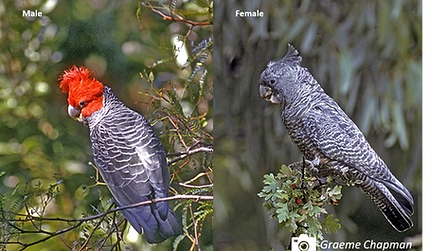
Gang-gang Cockatoo
Callocephalon fimbriatum
Australia's Threatened Species Category
Endangered
Listed since: Wed Feb 02 2022 14:00:00 GMT+0000 (Coordinated Universal Time)
IUCN's Threatened Species Category
Vulnerable
Listed since: 11/17/2021
Population trend: Decreasing
Other names: None
Priority Species? No
The Australian government's Threatened Species Action Plan 2022-2032 selected over 100 priority species derived from consultation with threatened species experts and the wider community. While all species are important, focusing on a limited number of species can help target effort and resources so that outcomes can be achieved, measured and shared.
Description
Gang-gang Cockatoos are a small, stocky cockatoo, which are socially�monogamous, with pair bonds lasting many years, and make their nests�in tree hollows.
Threats
Habitat is critical to the survival of the Gang-gang Cockatoo who favour old growth forest and woodland for nesting and roosting. This species is an altitudinal migrant and in summer months, Gang-gang Cockatoos generally occur in tall mountain forests and woodlands and during winter months, they rely on drier more open eucalypt forests and woodland at lower altitudes.
Quollity Conservation Hub's Overall Priority Score
53
Average life span:
Number of young produced each year:
Number of breeding events each year:
> 10 yrs
Couple (2-3)
One
Minimum sexual maturity age:
2 - 5yrs
Who is helping?
Useful links for more detailed information on this species
DCCEEW - Australian Government Department of Climate Change, Energy, the Environment and Water
SPRAT - DCCEEW Species Profile and Threats Database
bottom of page