
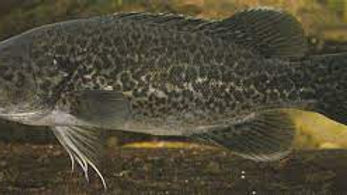
Mary River Cod
Fish

Maccullochella mariensis
Mary River Cod
Maccullochella mariensis
Australia's Threatened Species Category
Endangered
IUCN's Threatened Species Category
Endangered
Listed since:
Listed since:
Description
Description
The Australian government's Threatened Species Action Plan 2022-2032 selected over 100 priority species derive from consultation with threatened species experts and the wider community. While all species are important, focusing on a limited number of species can help target effort and resources so that outcomes can be achieved, measured and shared.
Description
The Mary River Cod occurs in southeast Queensland in the Mary River system with only three areas where the cod is present. They are known to migrate into smaller tributaries from the main river in late winter and depending on flows and time of year the Mary River Dod may move over 30 km up or down stream. Mary River Cod are a popular target for recreational fishers and in 2016, this species was listed as a no take species in areas that have not been restocked. In areas where the species has been restocked, this species may be caught and taken but is subject to strict limits under the Queensland Fisheries Act 1994.
Threats
Streams that are impounded are the main threat which prevents Mary River Cod from travelling both in and out of home ranges may result in further fragmentation of the species and population decline. Also the removal of riparian vegetation (e.g. clearing for agricultural land use) may result in the loss of shaded deep pools which
the Mary River cod inhabits.
Quollity Conservation Hub's Vulnerability Score:
40
To help compare the relative vulnerability of different species, we have developed a scoring system based on biological and ecological characteristics that influence a species' ability to survive and recover from environmental change and natural disasters.
The framework is adapted from assessment methods used by conservation experts following the Black Summer bushfires to help identify species most in need of conservation action, research, and recovery funding.
Each species is assessed using a range of factors, including its conservation status, lifespan, reproductive rate, habitat and dietary requirements, ability to disperse or recover after fire, and the number and severity of threats it faces.
In general, the higher a species' score, the greater its overall vulnerability and risk of decline or extinction.
Like all conservation assessments, this scoring system is limited by the information currently available. Many threatened species remain poorly studied and receive limited research funding, meaning some assessments rely on the best available scientific knowledge or information from closely related species. As new research becomes available, scores may be updated to reflect our improved understanding.
Average life span:
Number of young produced each year:
Number of breeding events each year:
Minmum sexual maturity age:
> 10 yrs
1,000 - 5,000
Couple (<=2)
3 - 5yrs
Who is helping
DCCEEW - Australian Government Department of Climate Change, Energy, the Environment and Water
SPRAT - DCCEEW Species Profile and Threats Database